Water Conditioners: The Complete Guide (Types, Costs, What They Really Do)
A home water conditioner cuts scale by over 88% in independent testing and removes zero grains of hardness. The four things sold under that one word, decoded.
By Home Water Lab TeamUpdated Prices verified Oct 7, 2026
This page contains affiliate links; buying through them costs you nothing extra.
A water conditioner is any device that treats hardness without removing it. The mainstream version uses template assisted crystallization, cuts scale by more than 88% in independent testing, and leaves your grains per gallon reading exactly where it was. That combination is either the smartest purchase in home water treatment or a disappointment, and which one it turns out to be depends entirely on the symptom you are trying to fix.
The word itself is the first obstacle. Ask three salespeople for a home water conditioner and you will be quoted three different machines. This guide separates them, names what each one does, and sends you to the right page: our salt-free water softener hub for the chemistry in depth, the water conditioner cost page for the ten year arithmetic, and the water softener hub if it turns out you needed ion exchange after all.
The short answer
as of Sep 14, 2026What is a water conditioner, and what does it actually do?
A home water conditioner changes the behavior of hardness minerals rather than removing them. The dominant technology, template assisted crystallization (TAC), turns dissolved calcium into microscopic crystals that stay suspended and wash through your pipes instead of bonding to them. The WateReuse Research Foundation study led by Peter Fox at Arizona State University measured more than 88% scale reduction for TAC, against roughly 50% for electromagnetic and electrically induced precipitation devices. In every case the water still tests just as hard: the minerals are still in it.
Key takeaways
- TAC conditioners cut scale by over 88% in the WateReuse 08-06 study, and remove zero grains of hardness.
- Plug-in electronic descalers measured around 50% in the same testing, at a fraction of the price.
- Four different machines are sold as water conditioners: TAC, electronic descaler, carbon filter, and rebranded salt softeners.
- Manufacturer prices on Sep 21, 2026: Aquasana SimplySoft $879 on sale ($1,758 list), SpringWell FutureSoft $1,785, Kind E-3000 $2,094.10.
- A conditioner fixes scale. Spotting, stiff towels and weak lather need ion exchange, not conditioning.
What Does a Water Conditioner Do?#
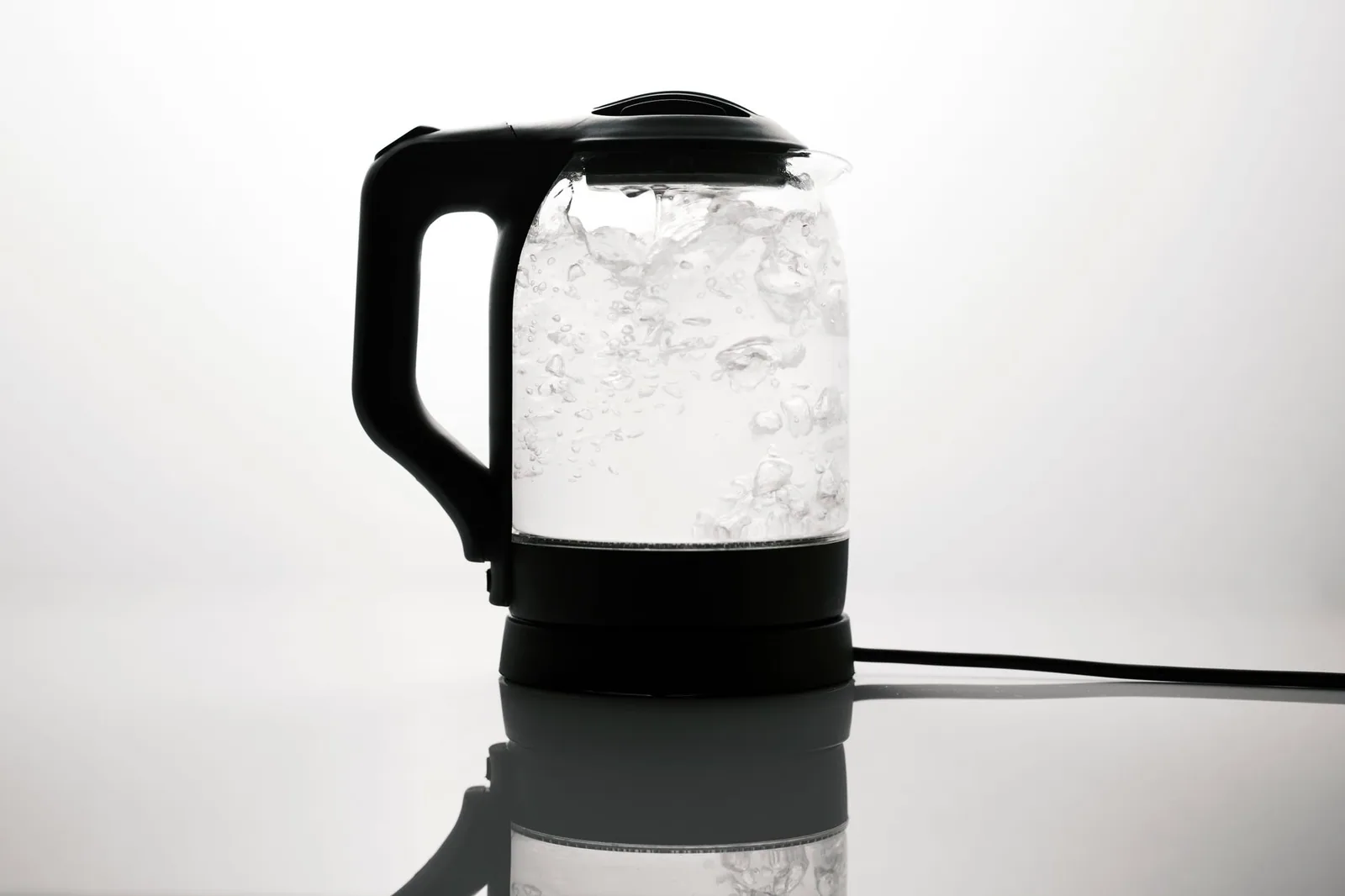
It attacks scale, and only scale. Hard water carries dissolved calcium and magnesium, and those minerals crystallize on hot surfaces: the heating element in the water heater, the inside of a kettle, the ports of a shower head. A TAC conditioner gives the calcium somewhere else to crystallize first, on template sites inside the media bed, so it leaves as harmless suspended particles instead of forming a hard deposit downstream.
What it does not do is equally specific. Your water keeps every grain of hardness it arrived with, which means spotting on glassware, the gray cast in white laundry, and the soap that refuses to lather are all unchanged. Two manufacturers say so in their own words: Aquasana writes that its system "doesn't need to remove hard minerals," and SpringWell states its FutureSoft "won't make water feel slick or stop spotting the way salt does."
What you hear
A salt-free water conditioner softens your water without the salt.
What the numbers say
It does not soften anything. Softening has a measurable definition, removing calcium and magnesium, and a conditioner removes neither. Test your water before and after a TAC system and the grains per gallon reading is identical. What changes is where the mineral ends up: suspended in the water instead of bonded to your plumbing.
What Is Water Conditioning? Four Machines, One Word#
This is where most shopping goes wrong. Before comparing prices, find out which of these four a quote actually describes.
The four things sold as a water conditioner
TAC media tank
A tank of template media plumbed into the main line, no salt, no drain, no electricity. Over 88% scale reduction in the WateReuse testing. This is what SpringWell, Aquasana and Kind sell in this category, from $879 to $2,094.10 on Sep 21, 2026.Electronic or magnetic descaler
A box that clamps coils around the pipe and plugs into an outlet. Around 50% scale reduction in the same study. Under $200, no plumbing, and the weakest measured performance of the group.Carbon filter sold as a conditioner
A filter that improves taste and removes chlorine, marketed with the same word. It does nothing at all about scale or hardness. If the quote mentions chlorine, taste or odor, you are looking at a filter.A salt softener renamed
Many dealers say conditioner when they mean a conventional ion exchange softener with a brine tank. If the proposal includes salt deliveries or a regeneration schedule, it is a softener, whatever the brochure calls it.
The fourth case explains a search pattern we see constantly: people looking for "salt for water conditioner," which only makes sense if the machine in their basement is a softener. If yours takes salt, the water softener salt guide is the page you want, not this one.
Which Is Better, a Water Softener or a Water Conditioner?#
Neither, in the abstract. They fix different complaints, and the honest comparison is symptom by symptom.
Salt softener (ion exchange)
- Removes calcium and magnesium, hardness reading drops to near zero
- Fixes scale, spotting, laundry and lather
- Needs salt, a drain line and regeneration water
- SpringWell SS1 at $1,606.50 (Sep 14, 2026)
Water conditioner (TAC)
- Leaves hardness in place, over 88% less scale
- Fixes scale only
- No salt, no drain, no wastewater, no power
- SpringWell FutureSoft at $1,785 (Sep 14, 2026)
The call
Pick the conditioner when scale is the whole complaint or when brine discharge is restricted where you live. Pick the softener the moment spotting, laundry or lather appear on your list.
Our salt based versus salt free comparison runs that duel profile by profile, and the hard water guide gives you the grain reading that decides which column you belong in.
What Are the Disadvantages of a Water Conditioner?#
It has no home verifiable output. A softener proves itself with a test strip: hard before, soft after. A conditioner cannot, since the minerals are still there by design. You are trusting the technology and the third party testing rather than a number you can read yourself.
It only covers one of four symptoms. Scale yes; spotting, laundry, lather, no.
Performance depends on conditions. TAC works against a flow rate and a water chemistry. Very high hardness, high iron or heavy sediment degrade it, and iron in particular fouls the media. A softener under the same conditions keeps working, it just regenerates more often.
The cheap version is much weaker. Roughly 50% for electromagnetic devices against more than 88% for TAC, in the same study, is not a rounding difference. Our electronic descaler verdict covers what that means in practice.
88%+
How Much Does a Whole House Water Conditioner Cost?#
Manufacturer prices, read at the source on Sep 14, 2026:
TAC conditioners, equipment only
as of Sep 14, 2026- Aquasana SimplySoftSalt-free conditioner, sold alone or bundled with the Rhino filter
- $1,758
- SpringWell FutureSoft FS1Lifetime warranty including the media, 1 to 3 bathrooms
- $1,785
- Kind E-3000Filter and conditioner in one pass, cartridge maintenance
- $2,094.10
- Plug-in electronic descalerAbout 50% scale reduction, no plumbing
- under $200
Tank systems, three-way spread
$5,637.10
Prices read at springwellwater.com, aquasana.com and kindwater.com on Sep 14, 2026. Installation is extra on the three tank systems. The full ten year arithmetic, including what dealers charge, is on our water conditioner cost page.
Dealer quotes for the same category routinely land past $3,000, and the water conditioner cost page breaks down where that money goes. If you are holding a quote right now, the quote decoder is the faster read.
Which Water Conditioners Are Worth Buying?#
SpringWell
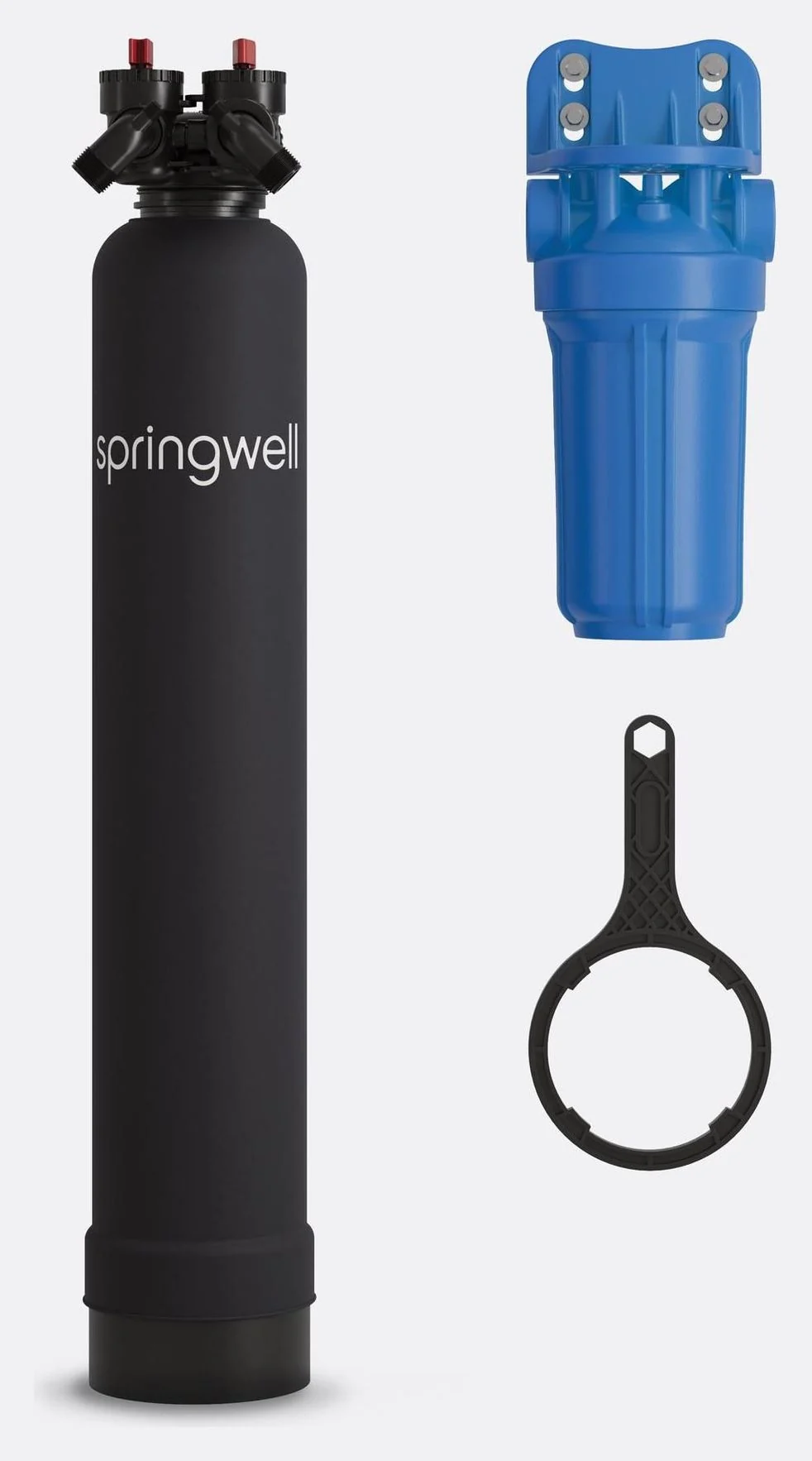
SpringWell FutureSoft FS1 Salt-Free Water Conditioner
Best for: City-water homes that want scale prevention without salt, a drain or electricity, not for anyone expecting soft-feeling water
- Technology
- TAC (Template Assisted Crystallization)
- Flow rate
- 12 GPM
- Bathrooms
- 1 to 3
- Tank
- 6" × 35"
- Max hardness
- 81 GPG
- Scale prevention
- Up to 95% (manufacturer claim)
Aquasana
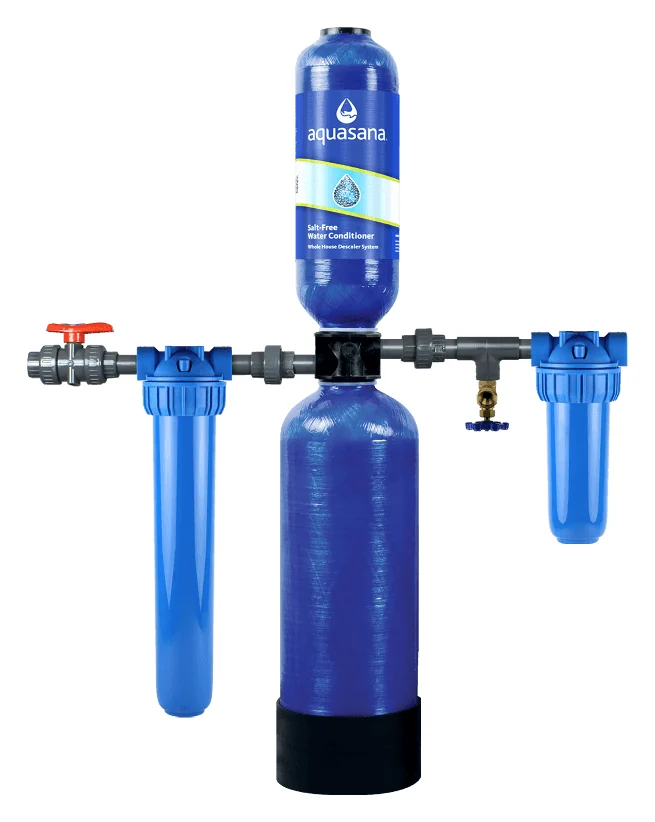
Aquasana SimplySoft Salt-Free Water Conditioner
Best for: City-water homes that want low-cost scale control without salt, and understand it is not a softener
- Technology
- SCM (Scale Control Media)
- Capacity
- 1,000,000 gallons / 10 years
- Flow rate
- 7.0 GPM nominal / 15.3 GPM peak
- Operation
- No salt, no electricity, no drain, no backflush
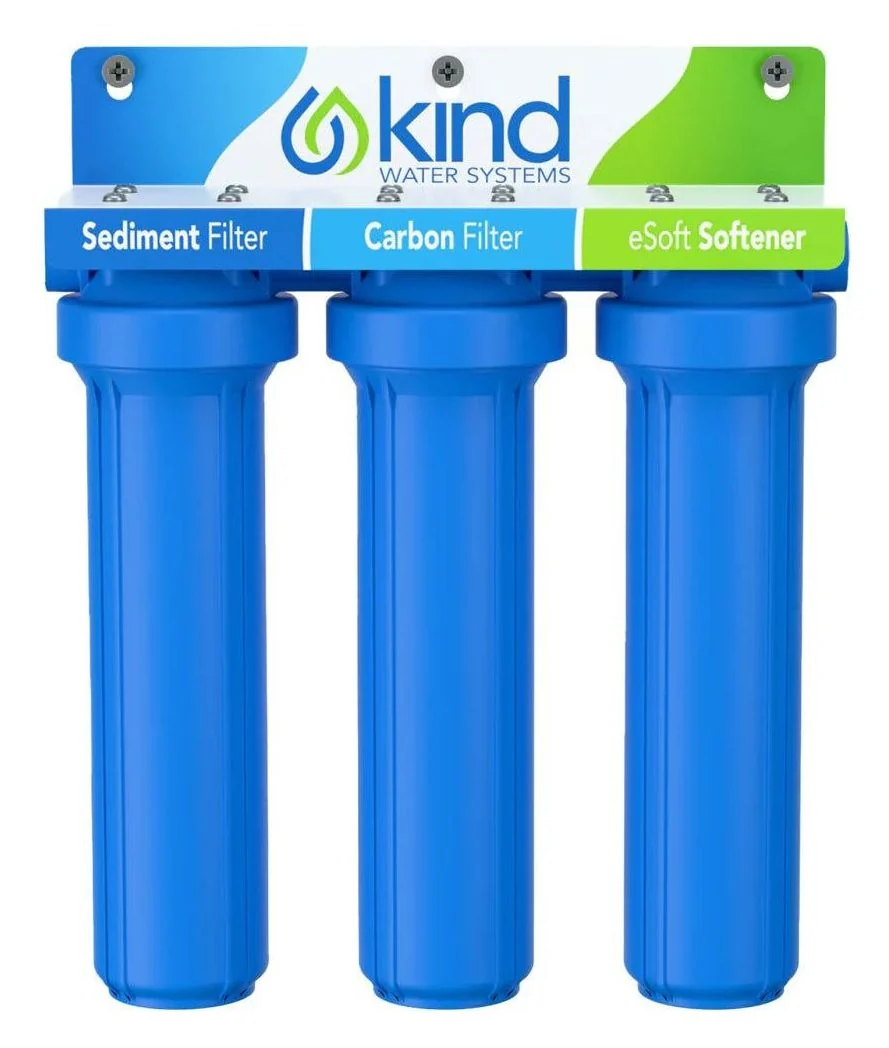
Kind Water Systems
Kind E-3000 Whole House Salt-Free Softener + Filter Combo
Best for: HOA/eco-constrained homes (salt-softener bans in CA/TX) that want filtration plus scale control in one pass
- Type
- Whole-house filter + TAC salt-free conditioner combo (best seller)
- Technology
- TAC, no electricity, no wastewater, no salt
- Maintenance
- Yearly cartridge replacement (~15 minutes)
The three sit close on price and differ on what else they do. The FutureSoft is the pure conditioner with the strongest warranty, the SimplySoft is the one to buy if you also want the Aquasana filter it bundles with, and the Kind E-3000 replaces two machines with one at the cost of an annual cartridge routine. The best salt-free systems page ranks them in detail.
When a Conditioner Is the Right Call#
A conditioner earns its place when
5 itemsIf none of those apply and your water is genuinely hard, buy the softener. The best water softeners list is the shortlist, the sizing calculator tells you the capacity, and the quiz puts the two paths side by side from your own answers.
Video coming soon
We cover this topic on the Home Water Lab channel.
Water conditioners, answered
What does a water conditioner do?
A home water conditioner changes how hardness minerals behave instead of removing them. Template assisted crystallization converts dissolved calcium into microscopic crystals that stay suspended and pass through the plumbing rather than bonding to it. In the WateReuse Research Foundation study led by Peter Fox of Arizona State University, TAC reduced scale by more than 88%. Your water still tests exactly as hard afterwards.
Which is better, a water softener or a water conditioner?
It depends on the symptom. A softener removes calcium and magnesium, so it stops scale, stops spotting, restores lather and drops the grain reading to near zero. A conditioner only stops scale. Limescale in the water heater is a conditioner job; spotted glassware and stiff laundry are a softener job.
What is water conditioning?
It is an umbrella term covering at least four machines: a salt-free TAC system, a plug-in electronic descaler, a carbon filter sold for taste and chlorine, and a conventional salt softener rebranded. They cost from under $200 to over $3,000, so ask any seller which of the four they are quoting.
What are the disadvantages of a water conditioner?
It does not soften water, so spotting, dull laundry and poor lather stay. It has no output you can verify at home, since a test strip reads the same before and after. Scale control also depends on water chemistry and flow, and iron in particular fouls the media.
Do electronic water descalers work?
Partially. The WateReuse study measured electromagnetic treatment and electrically induced precipitation at roughly 50% scale reduction, against more than 88% for template assisted crystallization. They are the cheapest devices in the category and the weakest performers in that testing.
How much does a whole house water conditioner cost?
Manufacturer prices read on Sep 21, 2026: Aquasana SimplySoft $879 on sale ($1,758 list), SpringWell FutureSoft FS1 $1,785, Kind E-3000 $2,094.10. Plug-in electronic descalers sell for under $200 and do a weaker job. Installation on the tank systems runs on top.
Frequently asked questions
What does a water conditioner do?
A home water conditioner changes how hardness minerals behave instead of removing them. The dominant technology, template assisted crystallization, converts dissolved calcium into microscopic crystals that stay suspended and pass through the plumbing rather than bonding to it. In the WateReuse Research Foundation study led by Peter Fox of Arizona State University, TAC reduced scale by more than 88%. Your water still tests exactly as hard afterwards.
Which is better, a water softener or a water conditioner?
It depends which symptom you are paying to fix. A softener removes calcium and magnesium through ion exchange, so it stops scale, stops spotting, makes soap lather and drops your grain reading to near zero. A conditioner only stops scale. If your complaint is limescale in the water heater, a conditioner is cheaper to run and wastes no water. If your complaint is spotted glassware, stiff laundry or soap that will not lather, only a softener delivers.
What is water conditioning?
It is an umbrella term, and that is the problem. Dealers use water conditioner for at least four different machines: a salt-free TAC system, a plug-in electronic descaler, a carbon filter sold for taste and chlorine, and a conventional salt softener rebranded. They do different jobs at prices from under $200 to over $3,000, so the first question to ask any seller is which of the four they are quoting.
What are the disadvantages of a water conditioner?
It does not soften water, so spotting, dull laundry and poor lather all stay. It has no measurable output, since your test strip reads the same before and after, which makes it impossible to verify at home. Scale control also depends on water chemistry and flow, and performance drops where a softener would simply keep working.
Do electronic water descalers work?
Partially. The same WateReuse study measured electromagnetic treatment and electrically induced precipitation at roughly 50% scale reduction, against more than 88% for template assisted crystallization. They are the cheapest devices in this category and the weakest performers in that testing, which is the trade you are making.
How much does a whole house water conditioner cost?
Manufacturer prices read on Sep 21, 2026: the Aquasana SimplySoft is $879 under a half-off banner ($1,758 at list), the SpringWell FutureSoft FS1 is $1,785 and the Kind E-3000 filter and conditioner combo is $2,094.10. Plug-in electronic descalers sell for under $200 and do a different, weaker job. Installation on the tank systems runs on top.
Keep reading
Best Salt-Free Water Softener 2026: Top 5 Systems That Actually Reduce Scale
Read the buyer's guide
Salt-Based vs Salt-Free Water Softener: Which One Should You Buy?
Read the head-to-headSpringWell FutureSoft Review 2026: The Salt-Free System Under the Microscope
Read the reviewNot sure what you need?
Answer 5 questions, get the right system for your water.
City or well, budget, household size, our quiz matches your answers against every system we track.